
Request A Quote

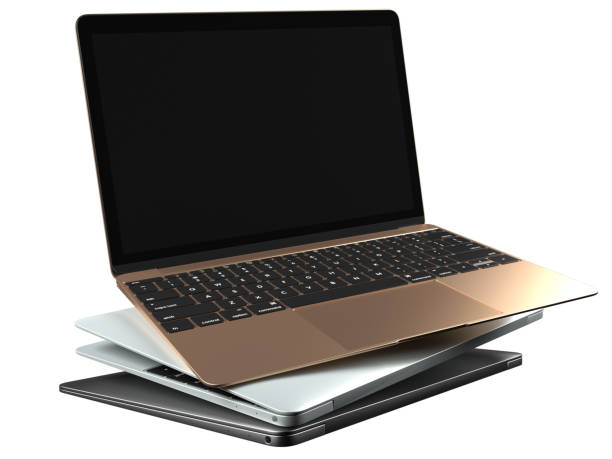
Technology has become an essential part of modern education. From digital classrooms to remote learning and creative projects, students and teachers rely on powerful devices every day. Choosing the right laptop can significantly improve learning outcomes, productivity, and long-term value.
If you’re planning to purchase a MacBook for schools, making the right procurement decisions is just as important as selecting the device itself. Schools, colleges, universities, and educational organizations need a purchasing strategy that balances performance, budget, durability, and future scalability.
This guide explains everything you need to know about buying MacBooks in bulk for educational institutions. Whether you’re upgrading existing classrooms or equipping a new campus, you’ll discover how to choose the right models, reduce costs, and simplify procurement.
Educational institutions increasingly choose Apple laptops because they provide excellent reliability, security, and long-term performance. Unlike many consumer laptops, MacBook often remain productive for years, making them a smart investment for schools.
Students use laptops for research, coding, graphic design, video editing, presentations, note-taking, and virtual collaboration. Teachers also depend on reliable systems for lesson planning, classroom management, grading, and online instruction.
When schools invest in quality devices, they reduce maintenance costs while improving their overall learning experience.
Selecting the right MacBook for schools offers several advantages beyond hardware performance.
MacBook are built with premium materials and high-quality components. Their durability makes them suitable for daily classroom use across multiple academic years.
Apple includes built-in security features that help protect sensitive student information and school data. This minimizes risks without requiring complicated management.
Long battery life allows students to attend classes, complete assignments, and participate in activities without constantly searching for charging outlets.
MacBook integrate smoothly with educational software, cloud platforms, and productivity applications commonly used by schools.
Although the initial investment may be higher, MacBooks generally require fewer repairs and retain strong resale value, helping schools maximize their technology budget.
For many educational institutions, the MacBook Air for education deliver the ideal balance of portability, battery life, and performance.
Students can easily carry lightweight devices between classrooms while completing assignments, attending online lectures, creating presentations, and collaborating with classmates.
The MacBook Air is particularly suitable for:
Its silent operation and excellent battery performance also make it ideal for classrooms where quiet environments matter.
Some educational programs require greater computing power. In these cases, the MacBook Pro for schools becomes a better investment.
These departments often run demanding applications that require additional processing power and enhanced graphics performance.
Rather than purchasing high-end devices for every student, schools can reserve MacBook Pro models for specialized departments while deploying MacBook Air models across general classrooms.
Large educational deployments benefit from consistent hardware configurations, simplified IT management, and easier maintenance. When schools choose the same MacBook models across classrooms, IT teams can manage devices more efficiently, install software updates faster, and provide better technical support.
Students enjoy a smooth learning experience with features such as fast startup times, lightweight designs for easy portability, comfortable keyboards for daily assignments, bright Retina displays for clear visuals, and reliable Wi-Fi performance for online classes and digital collaboration. These features help students stay productive throughout the school day.
Bulk purchasing requires more planning than buying individual laptops.
Consider the following factors before placing your order.
Create a realistic technology budget that includes:
Looking beyond the purchase price helps schools avoid unexpected expenses later.
Using one or two hardware configurations simplifies:
Standardization also reduces training time for both teachers and students.
Reliable after-sales support is essential for educational institutions managing hundreds of devices.
Working with experienced suppliers helps reduce downtime when repairs or replacements become necessary.
Purchasing laptops individually can increase costs and create additional challenges with ordering, inventory management, and delivery coordination. Working with a wholesale supplier allows schools to access competitive pricing, bulk inventory availability, faster procurement, consistent device specifications, dedicated account management, and a more streamlined ordering process. These benefits make large-scale technology deployments easier to manage while ensuring schools receive the right devices on time. By partnering with experienced education suppliers, institutions can also save valuable administrative time and focus more on improving the learning experience rather than handling complex purchasing tasks.
Not every supplier understands the unique needs of educational purchasing. Schools should carefully evaluate vendors based on their experience serving educational institutions, expertise in bulk purchasing, reliable inventory availability, responsive customer support, transparent pricing, and flexible ordering options. Choosing the right supplier can simplify the entire procurement process, from initial consultation and product selection to final delivery and ongoing support. One trusted name that educational institutions frequently consider is MacBook Distributors, known for helping organizations manage dependable bulk purchasing solutions with ease.
Many schools unintentionally increase their technology expenses by making avoidable procurement mistakes. One common issue is purchasing the highest-specification devices for every student when standard configurations may already meet most academic needs. Schools should also consider long-term maintenance, support, and replacement costs instead of focusing only on the initial purchase price.
Another mistake is ordering different laptop models for each department without a clear reason, which can make device management more complicated for IT teams. Choosing a supplier based only on the lowest price can also lead to problems if product quality, support services, or delivery reliability are overlooked. In addition, failing to plan for future growth can create challenges when more devices are needed later.
By avoiding these common mistakes, schools can make smarter technology investments that provide better value and continue supporting students and educators for many years.
An organized purchasing process helps schools receive the right devices on time while keeping costs and planning under control. A successful procurement workflow begins by defining educational requirements and estimating the number of students, teachers, and staff who need devices. Schools can then select suitable MacBook models based on their academic needs, software requirements, and budget.
After choosing the right devices, institutions should request bulk quotations from reliable suppliers and compare pricing, services, support options, and delivery timelines. Once the supplier is finalized, schools can move forward with procurement, device deployment, and proper management setup. Planning ongoing technical support is also important to ensure smooth performance throughout the device lifecycle.
Following a structured procurement process helps minimize delays, improve budget management, and create a more efficient technology rollout for educational institutions.
Bulk procurement is not only about getting a lower purchase price. Schools also gain long-term operational benefits that help reduce expenses and improve efficiency. Buying multiple devices at once allows institutions to maintain simplified inventory management, easier software deployment, and a more consistent classroom experience for students and teachers.
In addition, bulk purchasing reduces administrative workload by streamlining ordering, tracking, and device management processes. Schools can also benefit from better warranty coordination and faster technical support when all devices come through a single procurement channel. These ongoing savings and efficiency improvements often become just as valuable as the initial discount received during the purchase.
Investing in the right technology helps schools create better learning environments while preparing students for future success. Whether you’re equipping a single classroom or an entire educational district, choosing the right procurement strategy makes a significant difference.
A carefully planned MacBook for schools to purchase provides long-term value through reliability, security, performance, and lower ownership costs. By evaluating educational needs, selecting the appropriate models, and partnering with an experienced wholesale supplier, institutions can make confident purchasing decisions that support both students and educators.
If you have questions about bulk MacBook purchasing or selecting the right models, Contact Us to speak with the team at MacBook Distributors.